Sep 1, 2025
Why Most Diets Don’t Work — And What Actually Helps

Zane Gulbe
Weight loss. We’ve all thought about it at some point. Maybe it’s squeezing back into those jeans that definitely shrunk in the wash. Maybe it’s feeling more confident in your skin, having more energy, or regaining a sense of control. Whether it’s 5 or 50 kilos, the struggle often feels the same: you meal prep, skip dessert (most of the time), start to like salad—and still, the scale barely moves.
Sound familiar?
If so, you’re definitely not alone. In fact, you're part of a global community of millions who try to lose weight every year—most of whom find themselves stuck in a cycle of restriction, frustration, and rebound. But here’s the thing: it’s not your fault.
This is something I care deeply about, because I’ve seen how much it hurts when people feel like they’re failing — when in fact, the system is.
Why Diets Keep Failing Us
Most diets are set up to fail. They focus on external rules—counting calories, cutting carbs, avoiding “bad” foods—while ignoring the real drivers of our behavior: mindset, habits, emotions, and unconscious patterns.
They assume we’re machines, not humans. That if we just follow the right instructions, the rest will fall into place. But weight loss is not just about willpower. It’s about how our brains and bodies respond to deprivation, how we manage stress, how we cope with emotion, and how we think about ourselves.
Research and lived experience both tell us: rigid, joyless dieting isn’t sustainable. What works far better is:
Flexibility
Awareness
Self-compassion
And small, consistent changes that actually fit your life — not a fantasy version of it with no stress, no cravings, and no PMS.
Changing Your Mindset Is the Missing Piece
In my work as a psychologist, I’ve seen firsthand how mindset makes or breaks the process of change. Most people don’t need more rules — they need better tools for dealing with real life.
Cognitive Behavioral Therapy (CBT), for example, can help you recognize and shift unhelpful thinking patterns that drive overeating or self-sabotage. A common one? All-or-nothing thinking: “I ate cake, I’ve ruined everything, might as well give up.” Sound familiar?
This kind of black-and-white thinking fuels guilt, bingeing, and burnout. The antidote is flexibility: allowing space for imperfection while staying connected to your goals.
Real Talk: Dieting Is Hard — And That’s Normal
Changing your relationship with food is not like flipping a switch. It’s more like learning to drive: it takes time, support, and lots of practice. You wouldn’t expect to get behind the wheel without lessons. The same goes for learning how to:
Understand your triggers
Sit with cravings
Tune in to hunger and fullness
Make peace with your body
Bounce back from slip-ups
Yet most diets expect you to do all of this alone, with a smile, while also feeding your family and crushing it at work.
No wonder so many women feel like they’re failing — when in reality, the system is failing them.
What Actually Works: Evidence-Backed Habits That Stick
A large study of U.S. adults found that about 1 in 3 people who tried to lose weight actually succeeded in keeping it off. Their secret? Not a miracle diet.
What they did was surprisingly simple:
Exercise at least 30 minutes a day
Add movement into daily routines
Use self-monitoring tools like meal planning or food tracking
Cook at home
Stay consistent (not perfect)
They were also less likely to rely on fad products or pills. Instead, they created routines that fit into their life — not take it over.
(Source: National Weight Control Registry Study)
Why Understanding Your Motivation Matters
Another key to success is knowing why you want to lose weight. Not just the surface reason (“I want to look better in photos”), but the deeper motivations — health, confidence, energy, peace of mind.
A review of weight-loss motivation tools found that many are poorly developed and unreliable. Only one, the Weight Loss Motivation Questionnaire (WLM-Q), met high standards. It showed that motivations vary widely across age, gender, and life stage. Younger women, for example, are often driven by appearance or social acceptance — while older adults may prioritize health or longevity.
That’s why tools and programs need to be personalized — not one-size-fits-all. (Source: PLOS ONE Review)
Unrealistic Goals = Real Disappointment
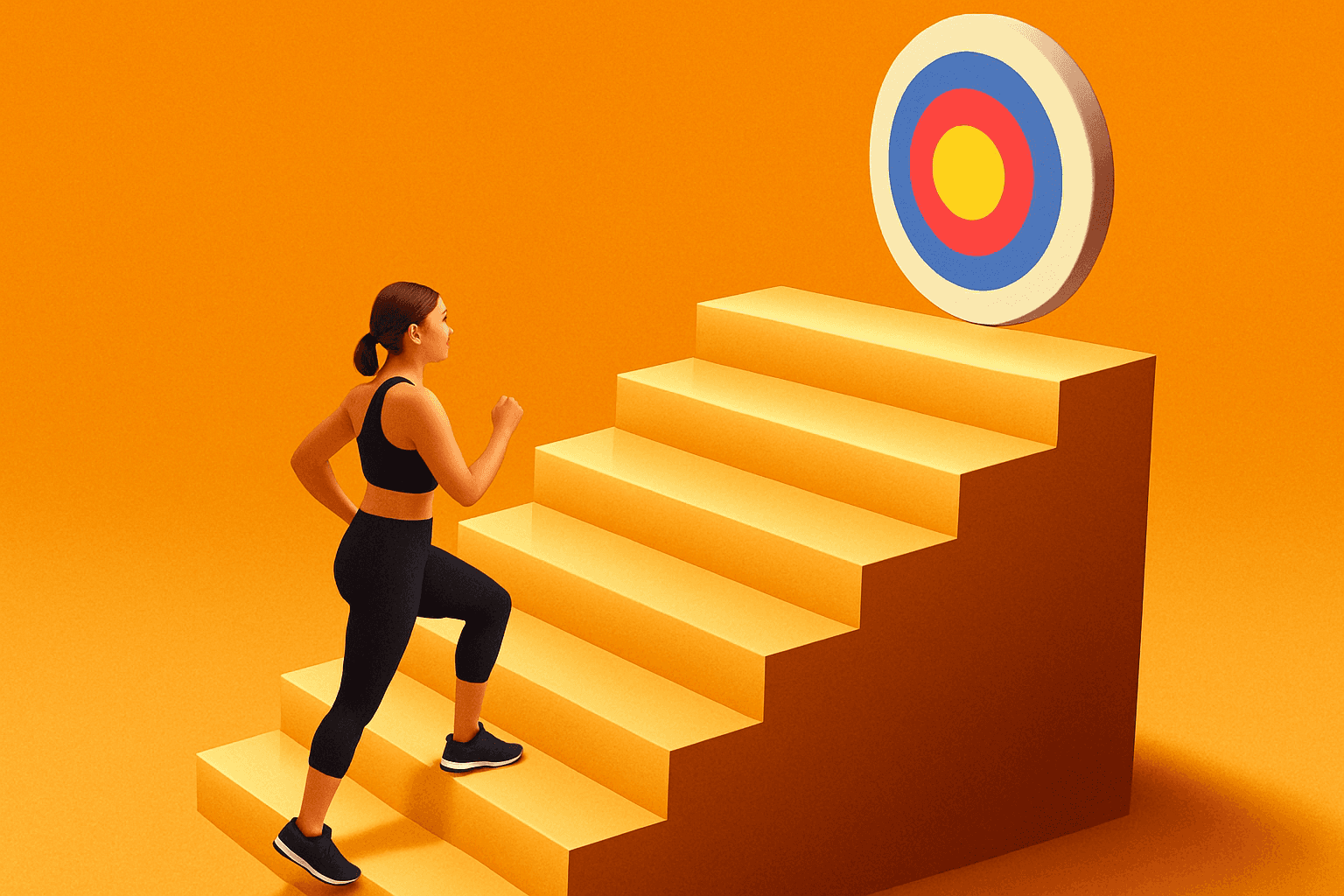
Studies show that many people set goals that are far beyond the safe, recommended 5–10% weight loss. These expectations often lead to early frustration and giving up — even though smaller changes can already bring huge health benefits.
The problem isn’t the goal itself — it’s the unrealistic timeline and pressure to “succeed” overnight. (Source: Appetite Journal Study)
Community and Support: You’re Not Meant to Do This Alone
We know from research that community matters. Support groups and programs where people connect, reflect, and grow together are incredibly effective. Why? Because they address mindset, not just meals.
People who know what to expect, feel supported, and have access to real guidance are more likely to follow through. That means less shame, less secrecy, and more resilience. (Source: Self-Help Group Study)
The Bottom Line: Willpower Isn’t the Problem. The Tools Are.
Every day, millions of people try to lose weight — and most struggle. That’s not because they’re lazy or weak. It’s because most current weight-loss programs focus only on what to eat, not how to think and feel through the process.
Food is just part of the picture. What’s missing is support for:
Self-worth and body image
Emotional eating and stress coping
Dealing with setbacks
Building long-term habits
Finding joy in movement and eating
That’s why we need tools that go beyond food plans and calorie counts. Tools that treat people like whole human beings, not just willpower machines. Tools that say: “Of course this is hard. You’re not broken. Let’s work with your brain, not against it.”
You deserve support that empowers you — not shames you.
You deserve a process that works with your life — not against it.
And you deserve to know: You’re not alone in this.
Let’s rewrite the weight loss story. One small, sustainable shift at a time.
Learn more
Discover more from the latest posts.